Madeira voters rejected Issue 16, the proposed city-charter amendment, by 86 votes in the Nov. 3 election, according to the Hamilton County Board of Elections’ unofficial returns.
The tally was 2,637 no votes (50.83%) and 2,551 yes votes (49.17%), with all eight Madeira precincts reporting. The county’s 11:27 p.m. election-night report recorded turnout of 72.71% of registered city voters. The result remains subject to certification.
Historic-house protections remain
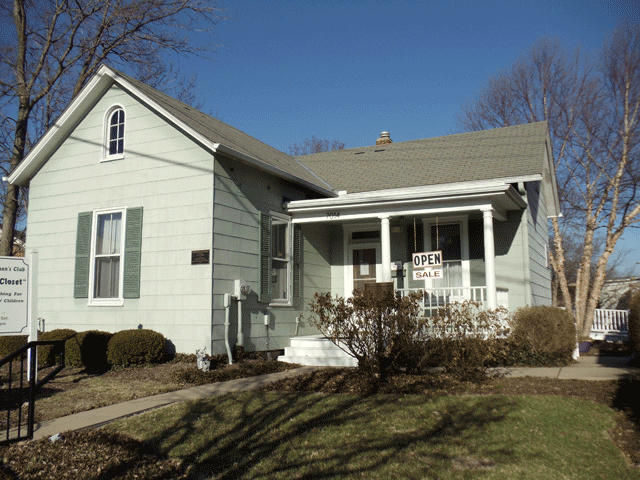
The defeated proposal would have removed specific charter protections for the Hosbrook House and Muchmore House, WCPO explained before the vote. The amendment also included language and other changes to the city’s governing document.
The city’s existing charter identifies the houses at 7014 and 7010 Miami Ave., along with the historic railroad depot, as protected properties that must remain at their original locations. Issue 16’s defeat leaves those provisions in place.
Opposition organizer Mark Lloyd told WCPO after the election that residents wanted more public involvement before changes affecting the houses. Supporter and Councilman Logan Junger had argued that changing the charter language would allow discussion of options for the properties, rather than immediately deciding their fate.
Spending approval was another dispute
Issue 16 would also have removed the charter’s $10,000 spending-approval threshold. WCPO’s pre-election report said the proposal would instead have allowed council and the city manager to establish a threshold annually. Junger described that as a way to speed routine purchasing; Lloyd argued the existing requirement gave the public time to scrutinize spending.
The ballot bundled those provisions with numerous other revisions. Lloyd opposed putting so many changes into one question, while Junger told WCPO afterward that voters’ concerns showed the need for better communication.
Junger said council would likely revisit the charter in coming months, but no next proposal was established in the Nov. 4 reporting. Future revisions would require their own public process.