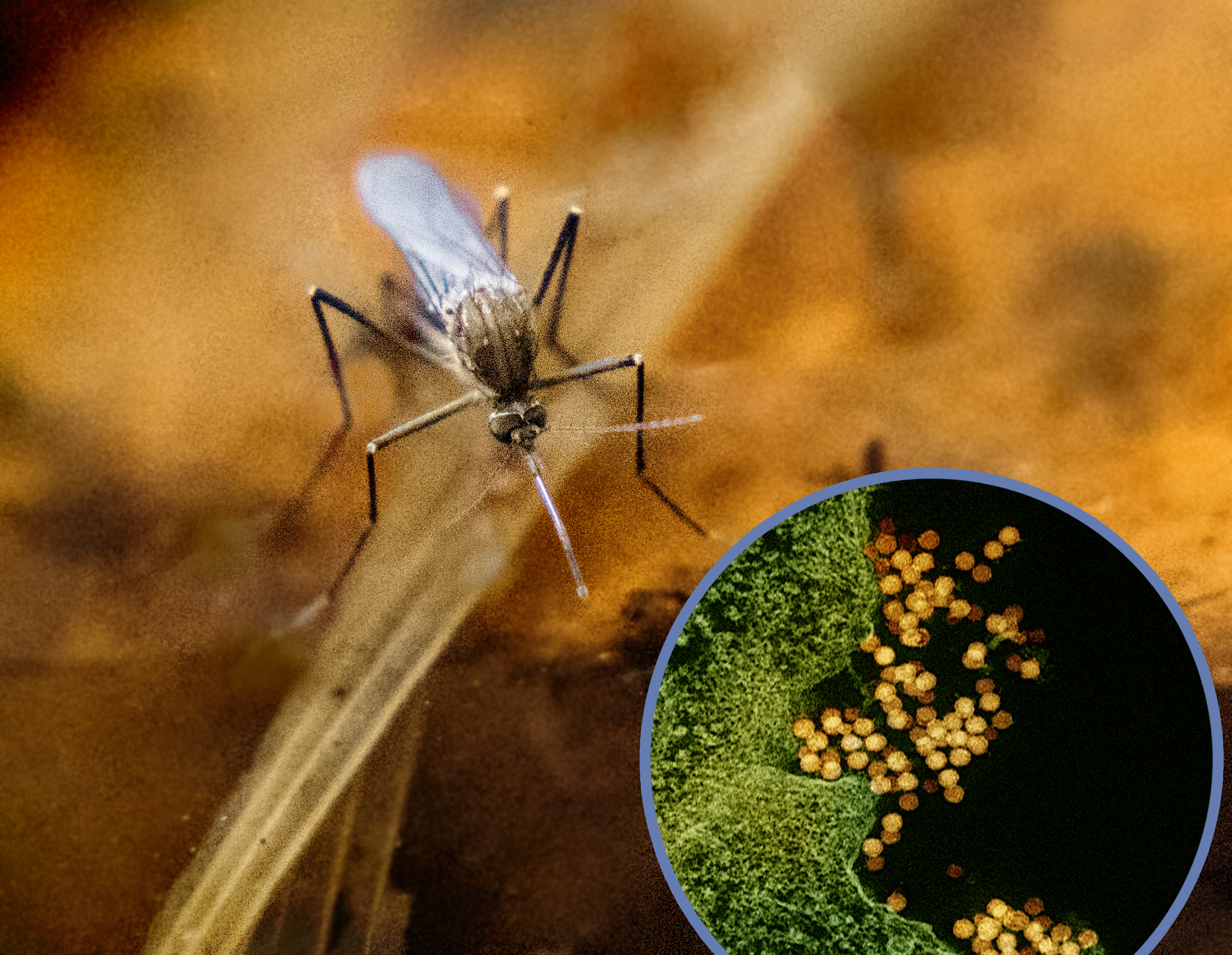
A Symmes Township-area resident has been hospitalized with West Nile virus, the first confirmed human case within Hamilton County Public Health's jurisdiction in 2026.
Hamilton County Public Health announced the case on Monday, Oct. 5. The agency said it was notified of the suspected case on Sept. 17 and received confirmation the same day. After reviewing the patient's medical records and recent activities, officials determined the infection was locally acquired, meaning a mosquito carrying the virus likely bit the resident in the area rather than during travel.
The health department's jurisdiction covers all of Hamilton County except Cincinnati, Norwood and Springdale, including east-side communities such as Sycamore Township, Indian Hill, Madeira, Mariemont and Terrace Park. Mosquito season in Ohio typically runs through October, and the insects typically remain active until temperatures drop below 50°F or after the first frost in Hamilton County.
Health officials urge caution
Dr. Stephen Feagins, medical director at Hamilton County Public Health, told Spectrum News 1 that the virus poses a serious risk for vulnerable residents. Feagins said most people manage the virus, but "people who are immunocompromised could experience severe illness affecting the brain and spinal cord." He urged residents to avoid mosquito bites and seek medical care if symptoms develop.
West Nile virus affects the central nervous system and spreads through infected mosquito bites. It is not contagious. Mild cases bring flu-like symptoms including fever, headaches, body aches, vomiting, diarrhea and rash. Most people recover fully, though fatigue can linger for weeks or months. People with weakened immune systems, chronic conditions or advanced age face the highest risk of severe illness or death. There is no treatment.
Surveillance and response
Environmental health specialists from the county health department performed mosquito surveillance near the patient's home and treated standing pools of water with larvicide to prevent breeding, according to Spectrum News 1.
In July, a pool of mosquitoes trapped in Green Township on July 30 tested positive for West Nile virus. The Ohio Department of Health (ODH) confirmed that result on Aug. 26. That remains the only positive mosquito sample within the county health department's jurisdiction for 2026.
The infected resident was admitted to a local medical center, the Cincinnati Enquirer reported. The patient's age, sex and current condition have not been disclosed.
Statewide picture
As of Oct. 1, ODH reported at least 16 human West Nile cases across 13 Ohio counties, according to the agency's vector-borne disease update. Ohio averages 47 human cases per year, according to the Enquirer. Hamilton County had one human case in 2025.
How to reduce risk
The health department urges residents to follow its "drain, dunk, protect" approach:
- Drain standing water from pools, birdbaths, gutters, toys and open containers.
- Dunk larvicide tablets into standing water that cannot be drained.
- Protect yourself by avoiding the outdoors at dusk and dawn, wearing light-colored loose-fitting clothing and applying EPA-registered mosquito repellent.
Residents who develop symptoms of West Nile virus should contact a healthcare provider.