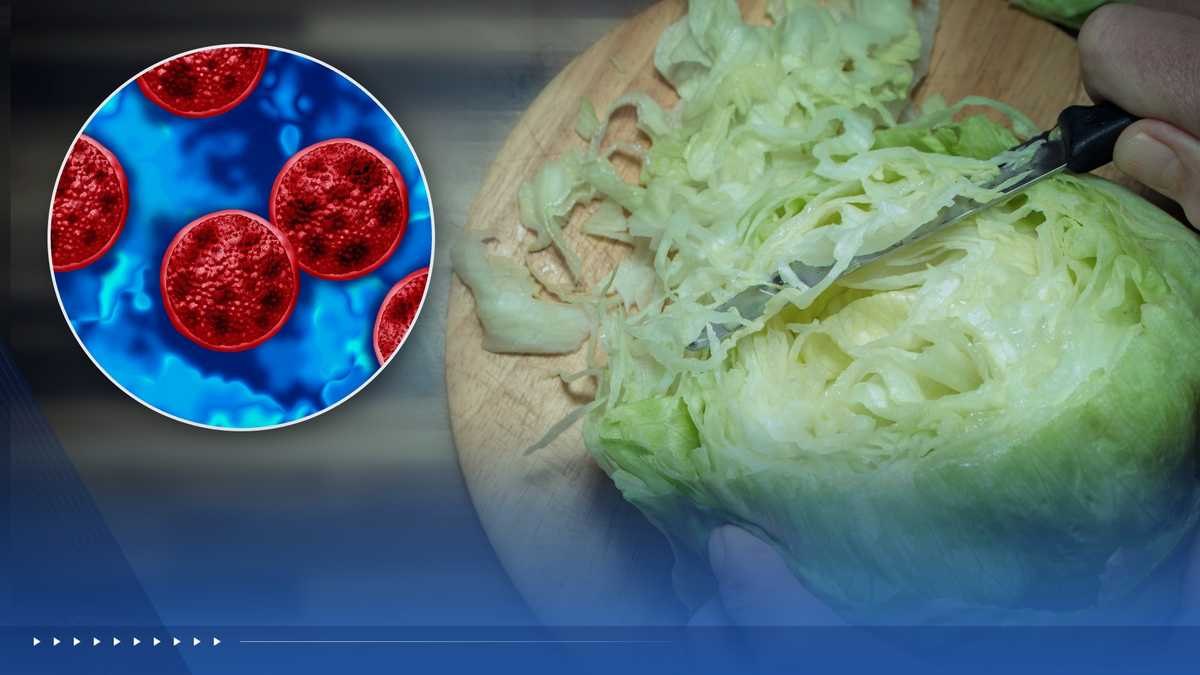
Hamilton County residents who ate shredded iceberg lettuce at any Taco Bell in recent weeks should watch for symptoms of cyclosporiasis, a parasitic intestinal illness linked to a five-state outbreak that has sickened at least 1,644 people and sent 17 Hamilton County residents to seek diagnosis.
The CDC and FDA directive issued Friday is blunt: do not eat shredded iceberg lettuce served at Taco Bell locations in Indiana, Kentucky, Michigan, Ohio and West Virginia. The warning covers any Taco Bell in those states that Hamilton County residents may have visited.
What happened
Taylor Farms de Mexico, based in Guanajuato, voluntarily pulled all iceberg lettuce sourced from central Mexico from the U.S. market on Friday. The FDA's traceback investigation identified Taylor Farms de Mexico as the single supplier that provided shredded iceberg lettuce to Taco Bell locations where sick customers ate before falling ill.
Taco Bell confirmed the same day that it completed removal of the affected lettuce from all restaurants nationwide and from its supply chain.
The shredded iceberg lettuce was distributed between Monday, June 29, and Wednesday, July 16, to 27 states including Ohio, according to the FDA's recall notice. Restaurant distributor Sysco also withdrew all Taylor Farms-processed iceberg lettuce on Friday.
The numbers
The CDC has identified at least 1,644 cases tied to the five-state Taco Bell outbreak, with 94 hospitalizations and no deaths. Ohio alone has reported more than 1,200 cyclosporiasis cases as of Friday, per the Ohio Department of Health dashboard.
Hamilton County Public Health reported 17 cases as of Thursday: 12 confirmed, 1 probable, and 4 suspected. The county also noted a "statistically significant increase" in residents seeking care for gastrointestinal issues, with more than 40 people treated for diarrheal illness. No deaths have been reported locally.
Nationally, nearly 7,000 cyclosporiasis cases are confirmed or under investigation across 34 states since May 1, with at least 180 hospitalizations, according to CDC data.
What to watch for
Symptoms usually appear about one week after infection, according to the CDC. They include watery diarrhea, loss of appetite, weight loss, cramping, bloating, nausea and fatigue. Less common symptoms include vomiting, body aches and low-grade fever.
"This is not a 'wait it out' illness," Dr. Steven Goldberg, HealthTrack chief medical officer, told Axios Columbus.
Cyclosporiasis does not spread person to person. But without treatment, symptoms can last a month or longer and may disappear then return. The illness is treatable with antibiotics, but the Ohio Department of Health warns that delaying diagnosis could lead to dehydration and complications.
One critical detail: routine stool tests often do not screen for cyclospora. Residents who suspect infection should ask their doctor to order a specific stool test.
What to do
The CDC's Dr. Gwen Biggerstaff, of the Division of Foodborne, Waterborne, and Environmental Diseases, advised washing hands and fresh produce thoroughly under running water before eating. Cooking kills the parasite at 158 degrees Fahrenheit or higher.
Taylor Farms de Mexico stated that no other Taylor Fresh Foods products are affected and no Taylor Farms branded salad kits contain iceberg lettuce.
The Ohio Department of Health dashboard updates each Thursday. The next Hamilton County case-count update is expected July 24.